Plant Pet Safety Guide
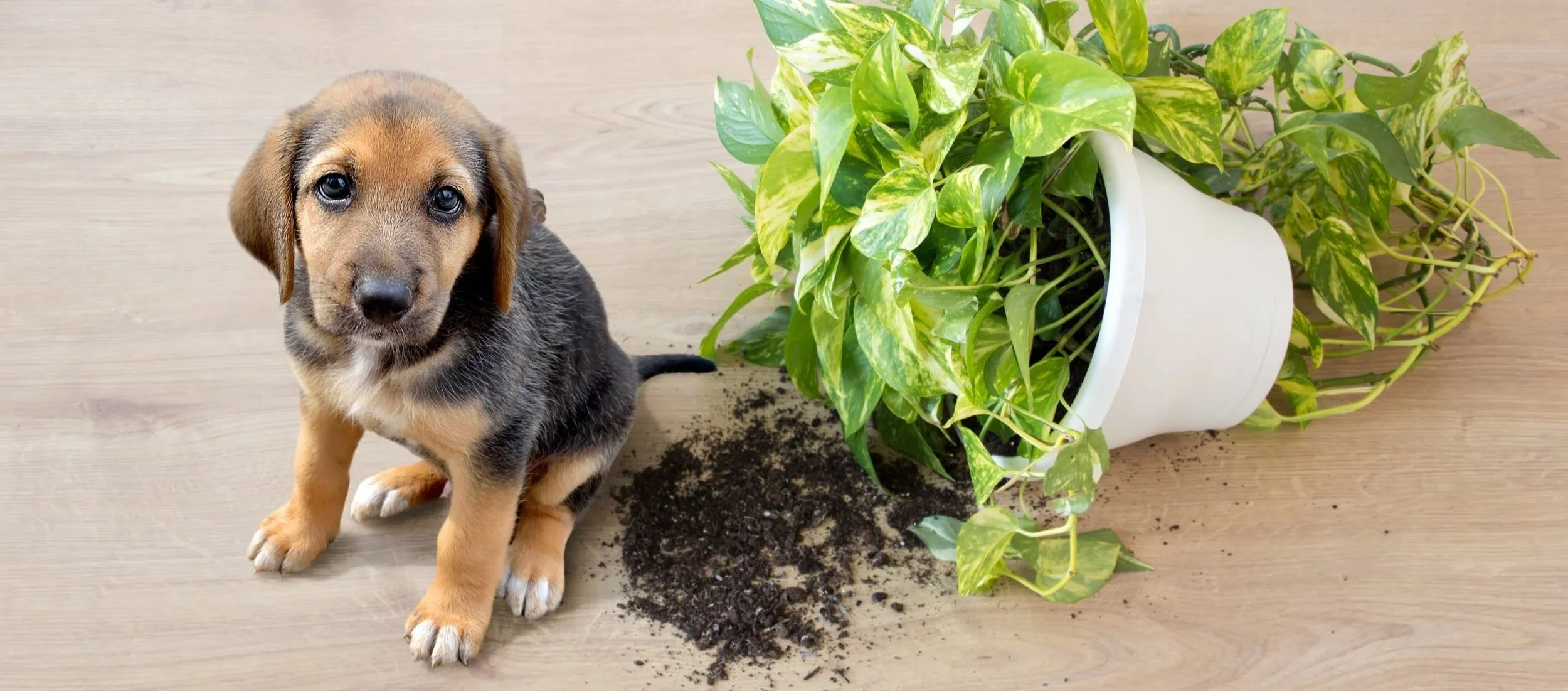
Pretty plants and curious pets can absolutely live in the same home — but it helps to know what you’re bringing into your space. At Dolliver & Co., we want plant care to feel approachable, honest, and beginner-friendly, including the not-so-glamorous but very important topic of pet safety.
This guide is here to help you understand what “pet safe,” “non-toxic,” and “not pet safe” really mean, so you can make informed choices for your home, your pets, and your plant collection.
A Quick Note Before We Begin
This guide is for general educational purposes only and is not a substitute for veterinary advice. Every pet is different, and reactions can vary depending on the plant, the amount eaten, the pet’s size, and their health history.
If you believe your pet has chewed or ingested a plant and they are showing symptoms, contact your veterinarian or a pet poison control resource right away. The ASPCA Animal Poison Control Center also recommends contacting a veterinarian or their 24-hour poison hotline if you believe your animal may have ingested something poisonous.
What Does “Pet Safe” Really Mean?
When a plant is described as pet safe or non-toxic, it generally means the plant is not known to contain compounds that commonly cause poisoning in dogs or cats.
However, pet safe does not mean snack safe.
Even non-toxic plants can still cause mild stomach upset if your pet eats enough of them. Plant material is not part of a typical cat or dog diet, so symptoms like vomiting or diarrhea may still happen if your pet decides to turn your houseplant into a salad bar.
Our general advice: even with pet-safe plants, it is best to discourage chewing.
What Does “Not Pet Safe” Mean?
When we label a plant not pet safe, it means the plant may cause irritation, digestive upset, or more serious symptoms if chewed or ingested.
Not all toxic plants carry the same level of risk. Some plants are mainly irritating to the mouth and stomach, while others can be much more dangerous. For example, many common houseplants in the aroid family — including Alocasia, Philodendron, Syngonium, Monstera, Pothos, and Peace Lily — contain calcium oxalate crystals that can irritate the mouth and digestive tract if chewed. Pet Poison Helpline notes that Alocasia and Philodendron contain insoluble calcium oxalate crystals that can cause tissue irritation in the mouth and GI tract, and that upper airway swelling is very rare but possible.
Common Symptoms:
Depending on the plant and the amount eaten, symptoms may include:
Drooling
Pawing at the mouth
Mouth, tongue, or throat irritation
Vomiting
Diarrhea or digestive upset
Difficulty swallowing
Loss of appetite
Lethargy
Swelling around the mouth or throat
Difficulty breathing, in more urgent cases
The Merck Veterinary Manual lists signs from insoluble oxalate-containing plants as including immediate pain, irritation, hypersalivation, pawing at the mouth, and swelling.
If your pet is having trouble breathing, difficulty swallowing, severe vomiting, collapse, tremors, or any rapidly worsening symptoms, seek emergency veterinary care immediately.
Calcium Oxalate Plants: Irritating, Not Usually “Mystery Poison”
Many popular tropical houseplants contain calcium oxalate crystals. These microscopic crystals can cause a painful, irritating reaction when a pet bites or chews the plant.
This is one reason you may see symptoms quickly after chewing, such as drooling, pawing at the mouth, or refusing food. Poison Control notes that Alocasia plants contain oxalate crystals that can cause mouth pain, nausea, vomiting, and diarrhea if chewed or swallowed, and recommends keeping them away from children and pets.
Common calcium oxalate houseplants include:
Alocasia
Philodendron
Syngonium / Arrowhead Vine
Monstera
Pothos / Epipremnum
Peace Lily
Dieffenbachia
Caladium
For these plants, our product pages may say:
Pet Safety: Not pet safe — may cause mouth irritation, drooling, vomiting, or digestive upset if chewed or ingested. Keep away from pets and children.
Begonias and Pet Safety
Begonias are also considered not pet safe. They contain soluble calcium oxalates and may cause vomiting, drooling, or digestive upset if chewed or ingested. The ASPCA lists Begonia as toxic to dogs, cats, and horses, and notes that the most toxic part of the plant is underground.
For Begonias, our product pages may say:
Pet Safety: Not pet safe — may cause vomiting, drooling, or digestive upset if chewed or ingested. The underground portions are considered the most toxic. Keep away from pets and children.
“Not Pet Safe” Does Not Always Mean “Highly Fatal”
We know plant toxicity language can feel scary, so here’s the honest version: many common houseplants labeled “toxic” are more likely to cause irritation, drooling, vomiting, or digestive upset than severe poisoning from a small accidental nibble.
That said, ingestion should still be taken seriously. Some pets are more determined chewers than others, some plants are more dangerous than others, and symptoms can vary.
When in doubt, contact your veterinarian.
Extra Caution for Cats
Cats deserve a special mention because they are both agile and famously committed to getting into places they “cannot reach.”
Even if a plant is placed on a shelf, a curious cat may still find a way to investigate it. Some plants are especially dangerous to cats, including true lilies, which are not the same thing as Peace Lilies. The ASPCA highlights lilies among common toxic plants, and any suspected lily exposure in cats should be treated as urgent.
D&Co tip: if your cat is a known plant chewer, choose pet-safe plants whenever possible and keep not-pet-safe plants in a room your cat cannot access.
What to Do if Your Pet Eats a Plant
If your pet chews or eats a plant:
Move the plant out of reach.
Gently remove any plant pieces from your pet’s mouth, if you can do so safely.
Take a photo of the plant, plant tag, or product page.
Note the approximate amount eaten and when it happened.
Watch for symptoms like drooling, vomiting, pawing at the mouth, or difficulty swallowing.
Contact your veterinarian or a pet poison control resource for guidance.
Do not try to induce vomiting unless a veterinarian tells you to.
How to Make Plant Parenthood Safer with Pets
A few simple habits can make a big difference:
Keep not-pet-safe plants out of reach.
Use hanging planters, enclosed cabinets, or closed-off rooms for higher-risk plants.
Avoid placing tempting trailing plants where pets can bat or chew them.
Clean up fallen leaves quickly.
Research each plant before bringing it home.
Offer pets safe enrichment so plants are less exciting.
Be extra cautious with kittens, puppies, and known chewers.
How D&Co Labels Plant Safety
To keep things simple, our product pages use short pet safety notes such as:
Pet Safe / Generally Considered Pet Safe
This plant is not known to be toxic to cats or dogs, though any plant may cause mild stomach upset if eaten.
Not Pet Safe — Irritating if Chewed or Ingested
This plant may cause mouth irritation, drooling, vomiting, or digestive upset if chewed or ingested.
Not Pet Safe — Use Extra Caution
This plant may cause more significant symptoms if ingested. Keep away from pets and children, and contact a veterinarian if ingestion occurs.
Final Thoughts
You do not have to choose between loving plants and loving pets — but you do need to choose thoughtfully.
If you have a pet who ignores plants completely, you may feel comfortable keeping some not-pet-safe plants in protected areas. If you have a curious cat, a determined dog, or a tiny chaos gremlin who samples everything, pet-safe plants may be the better fit.
When in doubt, choose caution, keep plants out of reach, and contact your veterinarian with any concerns.